
Buerger

Marketing Phase – Buerger’s Disease Clinical Trial Findings

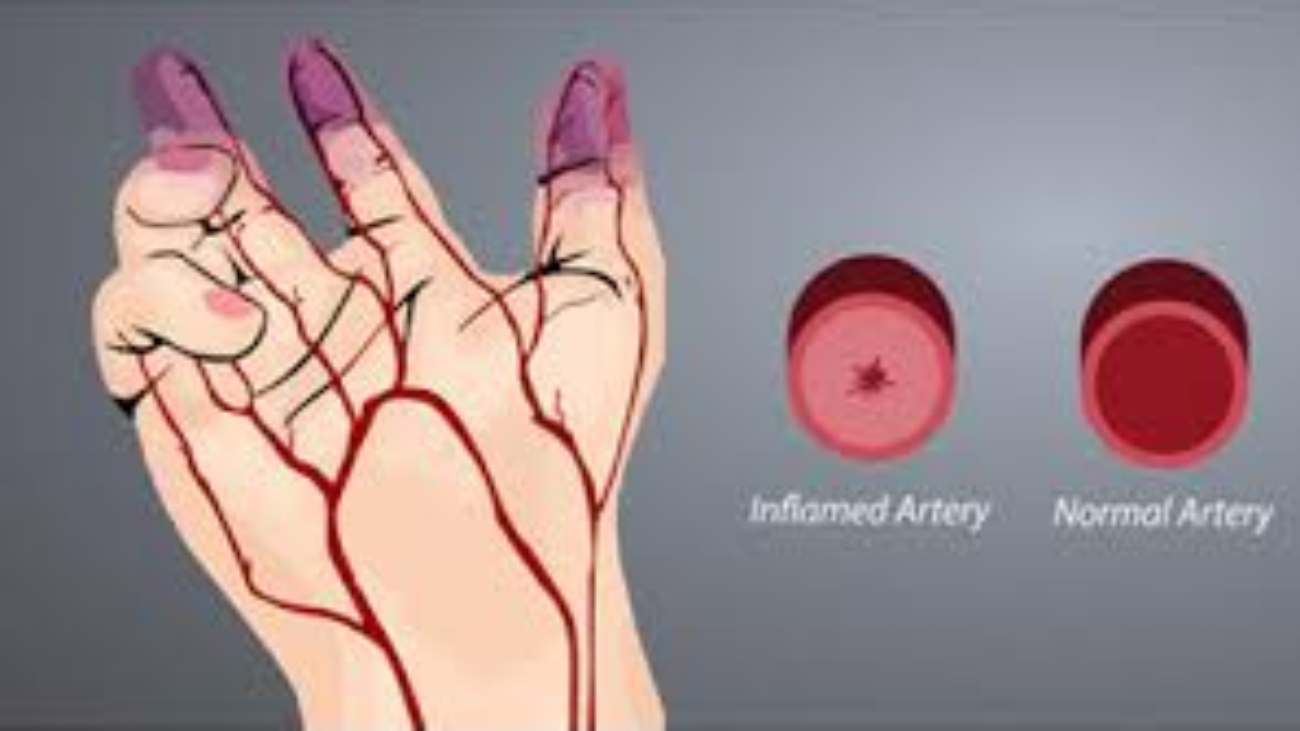
In normal condition, the arteries carry blood rich in oxygen and nutrients from the heart to the rest of the body, among which are the limbs such as legs and arms. When these arteries become blocked, the tissue in the limbs do not receive enough blood or oxygen, resulting in ischaemia to the limbs. Non-atherosclerotic critical limb ischaemia (CLI) is caused by Buerger’s disease, which is also called thromboangiitis obliterans. It is a segmental inflammatory disease that affects the small and medium-sized arteries and veins in the arms and legs. The blood vessels would usually swell and proper blood flow is prevented, leading to the formation of blood clots.


Because of the distal nature of the disease and diffuse segmental involvement, there is limited therapeutic option available as vascular bypass treatment is fairly impossible. If the condition continues untreated, it may lead to amputation and in severe cases, death. As such, the promising outcome of clinical trials with Stempeucel®, particularly in preventing limb amputation, provides the much-needed treatment alternative to avoid limb amputation caused by CLI due to Buergers disease.

Peripheral Artery Disease

Marketing Phase – Peripheral Arterial Disease Clinical Trial Findings

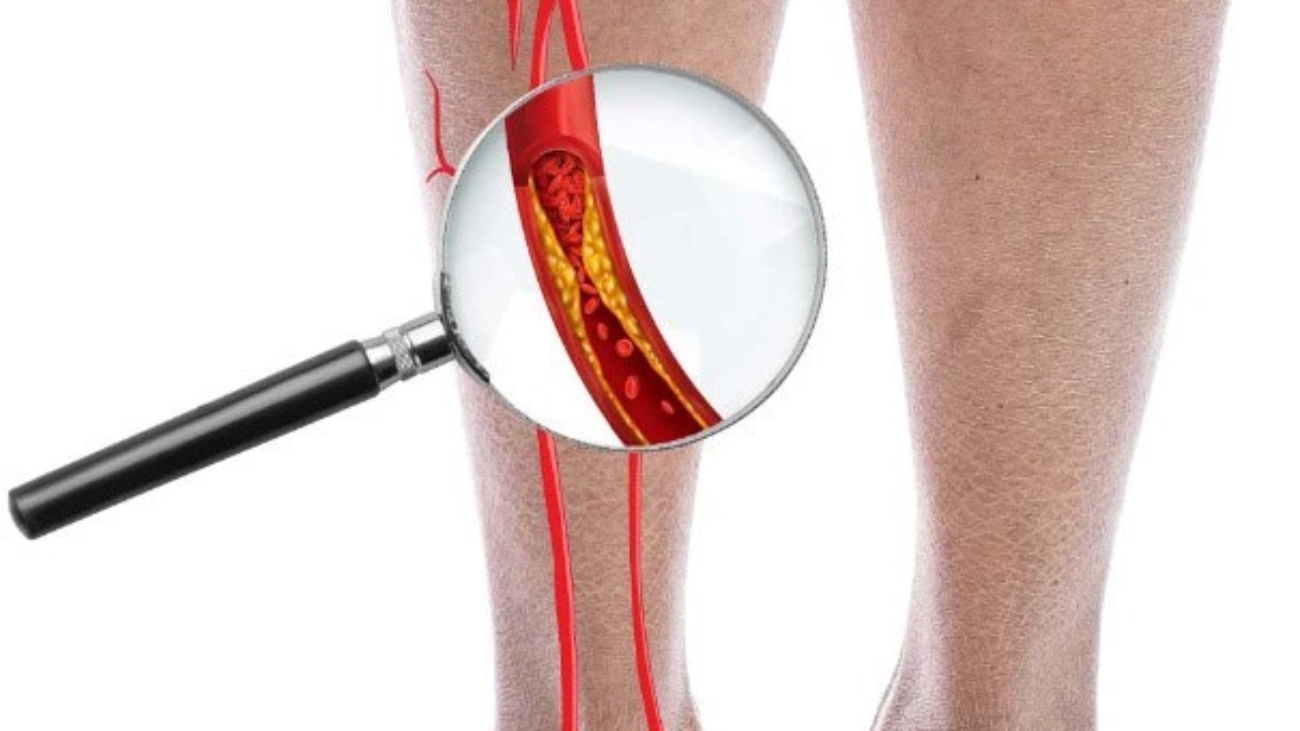
In healthy individuals, the arteries transport blood rich in oxygen and nutrients from the heart to the rest of the body, including the limbs such as the legs and arms. Narrowing of these arteries over time, due to the buildup of fatty deposits called plaque, leads to ischaemia in the limbs. The condition of clogged arteries in the limb is known as peripheral arterial disease.


Intervention available for this condition is surgical revascularization via vascular bypass. However, in certain condition where vascular bypass treatment is fairly impossible, it may lead to amputation and in severe cases, death. Hence, the encouraging results of clinical trials with Stempeucel® filled the gap of treatment needed to salvage damaged limb caused by CLI due to peripheral arterial disease.

treament-Osteoarthritis-icon

Osteoarthritis Clinical Trial Findings

Osteoarthritis is a degenerative disease that effects the elderly through inflammation in the joint. In young patient, the anabolic and catabolic process in the joint were regulated by a plethora of factors. However, old age may lead to the dysregulation of this balance, and osteoarthritis typically emerge as the result of cytokine storm that cause inflammation in the joint. 


MSCs is known to be able to regulate inflammation via secretion of various cytokines that the suppresses inflammation. Accordingly, Stempeutics had venture into the osteoarthritic indication of Stempeucel®. To date, phase I study in India, and phase II studies in India and Malaysia, demonstrated the efficacy of Stempeucel® to alleviate pain and symptoms related to osteoarthritis. As a result, Stempeucel® has received marketing approval by the Drugs Controller General of India (DCGI) for osteoarthritis indication.

DFU

Diabetic Foot Ulcer Clinical Trials Findings

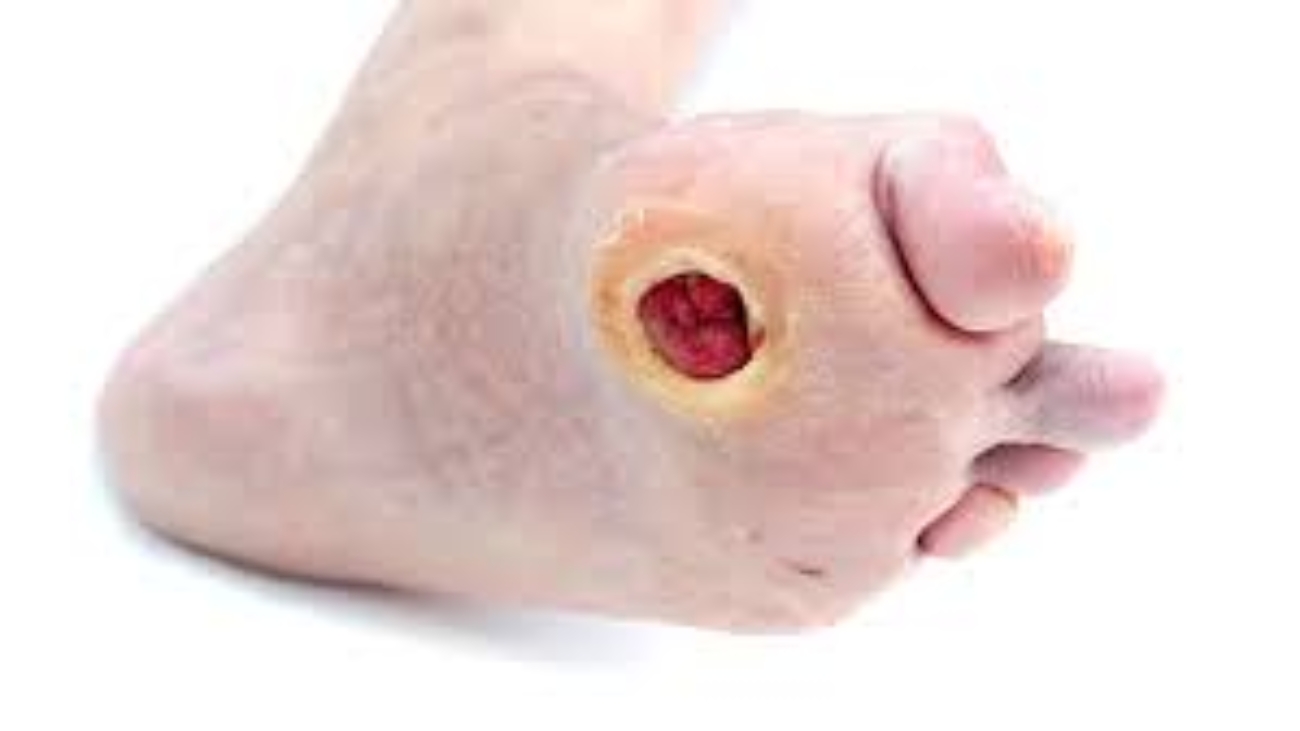
Diabetes resulted in delayed wound healing due to impairment in the inflammation and angiogenesis mechanism. Diabetic ulcer most commonly happened in the foot, which is a leading cause to lower extremity amputation. MSCs is known to regulate inflammation and angiogenesis via secretion of various growth factors and cytokines that were involved in both mechanisms. DCGI has approved the phase 3 clinical trial for diabetic foot ulcer whereby 84 patients were divided equally to receive Stempeucel® and placebo. Study was done across India consisting of 17 hospitals. Stempeucel® injection in and around the wound bed, demonstrates accentuation of the healing process and reduction of the ulcer area.